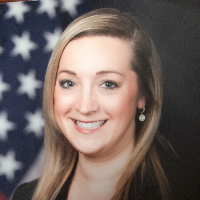
Brittany Bordonaro
LICSWDistrict of Columbia · 15 yrs exp
Relationship · Family · Trauma and abuse · Self esteem · +12 more
Read profileThe therapist listings are provided by BetterHelp and we will earn a commission if you use our link - at no cost to you.
Welcome to TherapistDirectory's online therapist listings for the District of Columbia. All clinicians included here are licensed professionals who provide teletherapy to residents across the District. Explore profiles below to compare specialties, availability, and approaches so you can find the right match for your needs.
District of Columbia · 15 yrs exp
Relationship · Family · Trauma and abuse · Self esteem · +12 more
Read profile
District of Columbia · 9 yrs exp
Relationship · Family · Intimacy-related issues · Parenting · +7 more
Read profile
District of Columbia · 29 yrs exp
Stress, Anxiety · Relationship · Trauma and abuse · Self esteem · +11 more
Read profile
District of Columbia · 30 yrs exp
Stress, Anxiety · Relationship · Self esteem · Depression · +12 more
Read profile
District of Columbia · 10 yrs exp
Stress, Anxiety · Relationship · Grief · Intimacy-related issues · +9 more
Read profile
District of Columbia · 10 yrs exp
Stress, Anxiety · Addictions · Self esteem · Depression · +11 more
Read profile
District of Columbia · 20 yrs exp
Relationship · Family · Trauma and abuse · Depression · +14 more
Read profile
District of Columbia · 30 yrs exp
Family · Parenting · Career · Coping with life changes · +13 more
Read profile
District of Columbia · 14 yrs exp
Stress, Anxiety · Relationship · Trauma and abuse · Anger · +10 more
Read profile
District of Columbia · 29 yrs exp
Stress, Anxiety · Trauma and abuse · Anger · Self esteem · +5 more
Read profile
District of Columbia · 20 yrs exp
Addictions · LGBT · Trauma and abuse · Depression · +12 more
Read profile
District of Columbia · 25 yrs exp
Stress, Anxiety · Relationship · Trauma and abuse · Grief · +9 more
Read profile
District of Columbia · 4 yrs exp
Grief · Stress, Anxiety · Relationship · Family · +8 more
Read profile
District of Columbia · 24 yrs exp
Stress, Anxiety · Relationship · Family · Trauma and abuse · +15 more
Read profile
District of Columbia · 35 yrs exp
Stress, Anxiety · Grief · Self esteem · Depression · +3 more
Read profile
District of Columbia · 4 yrs exp
Grief · Parenting · Self esteem · Coping with life changes · +1 more
Read profile
District of Columbia · 3 yrs exp
Stress, Anxiety · Grief · Self esteem · Depression · +11 more
Read profile
District of Columbia · 3 yrs exp
Stress, Anxiety · LGBT · Grief · Depression · +8 more
Read profile
District of Columbia · 30 yrs exp
Stress, Anxiety · Addictions · Trauma and abuse · Parenting · +15 more
Read profile
District of Columbia · 10 yrs exp
Stress, Anxiety · Addictions · Depression · LGBT · +9 more
Read profile
District of Columbia · 11 yrs exp
Stress, Anxiety · Trauma and abuse · Grief · Anger · +1 more
Read profile
District of Columbia · 6 yrs exp
Stress, Anxiety · Depression · Coping with life changes · LGBT · +13 more
Read profile
District of Columbia · 33 yrs exp
Stress, Anxiety · Grief · Self esteem · Depression · +1 more
Read profile
District of Columbia · 3 yrs exp
Stress, Anxiety · Relationship · Grief · Career · +1 more
Read profileIf you live in the District of Columbia, you have a growing number of licensed clinicians offering online therapy. Many therapists in the area provide sessions through video or phone, allowing you to connect from home, work, or another convenient location. Because regulations and practice norms have evolved, most therapists are now prepared to offer remote care as a standard option rather than a temporary substitute. You should know that therapists may work from offices within the District or from other states, but if you are receiving care while physically located in the District, your clinician must be authorized to practice with District residents. That means when you search listings, you can filter or ask directly about state licensure and telehealth authorization to confirm they can legally provide services to you in the District.
Online therapy has gradually become part of routine mental health services, and the technology used is generally straightforward. Platforms vary in features, but many clinicians will outline how they run sessions in their profile so you know whether to expect video, phone, or a blended approach. If you are moving between neighborhoods or have an irregular schedule, online appointments can offer continuity that matches city life. Keep in mind that appointment times, fees, and insurance participation differ across clinicians, so checking each profile carefully will help you find options that align with your needs and budget.
Online therapy brings practical advantages that fit the rhythm of living in the District. You can cut out commute time and easily slot sessions into a busy workday or manage care around family responsibilities. For people who rely on public transit, online appointments reduce the friction of travel and make it easier to maintain regular attendance. You also gain access to a wider selection of specialists than might be available within walking distance, so if you have a specific therapeutic approach or language preference, you are more likely to find a therapist who fits.
Another benefit is flexibility. If your schedule changes, or you spend time in another part of the city for work, online therapy can adapt with fewer disruptions. Sessions can also be more discreet in terms of logistics - you do not need to wait in a reception area or coordinate multiple trips. That convenience often translates into better consistency, which is important when you are working toward emotional or behavioral goals. Finally, many therapists offer a range of appointment lengths and formats, so you can choose what works best for a particular period in your life whether you need short-term support or ongoing care.
When you reach out to an online therapist in the District of Columbia, you will find clinicians experienced with a broad range of concerns. Common areas include anxiety and stress related to work, school, or life transitions; mood challenges such as depression; relationship conflicts and communication difficulties; parenting and family dynamics; grief and loss; and coping with chronic health conditions or caregiving responsibilities. Clinicians also frequently offer support for trauma recovery, adjustment after major life events, and managing substance use concerns in the context of broader treatment goals. Many therapists specialize in particular populations such as young adults, LGBTQ+ individuals, veterans, or people from specific cultural backgrounds, which can help you find someone who understands your lived experience.
Therapists vary in their clinical approaches and training, so their profiles will often note specialties and methods such as cognitive-behavioral, psychodynamic, trauma-informed, or integrative therapies. If you have preferences for a particular method or need accommodations for a learning difference, language, or cultural perspective, you should look for that information in profiles or bring those topics up during an initial contact or consultation. The therapeutic focus is collaborative; you and your therapist will set goals together and adjust the plan as you progress.
Verifying licensure is an important step before beginning work with any clinician. To check a therapist's standing, start by asking the clinician for their license type and license number. With that information, you can look up records through the District of Columbia's official licensing or regulatory agency website for mental health professionals. Many government sites provide searchable databases where you can confirm that a license is active, view the expiration date, and see whether any disciplinary actions have been recorded. If an online lookup is not available or you have questions about the results, the agency typically lists contact details so you can call or email for clarification.
When you review a license record, pay attention to the license status and any restrictions that might affect practice across state lines. If a clinician is licensed in another state but offering services to you while you are in the District, confirm that they are authorized to provide teletherapy to District residents. You may also want to ask about the clinician's educational background, supervised training, and years of experience in the areas you care about. If it matters to you, inquire about malpractice insurance or professional memberships. Taking these verification steps helps you make an informed decision and ensures the person you hire meets regulatory expectations for care in the District.
Starting online therapy is often as simple as browsing profiles, sending a message to a therapist who seems like a good fit, and scheduling an initial appointment or consultation. When you review listings, look for clear descriptions of specialties, treatment approaches, and practical details like fee ranges, insurance acceptance, and availability. If you rely on insurance, check whether the clinician accepts your plan or whether they provide receipts you can submit for reimbursement. Many therapists offer a brief introductory call to discuss logistics and whether their approach matches your goals - this is a good opportunity to ask about session length, cancellation policies, and how they handle emergencies or referrals.
To choose the right therapist, pay attention to how well the clinician communicates and whether you feel heard during your first interaction. Compatibility matters; a therapist's experience and methods are important, but so is how comfortable you feel discussing sensitive topics. Consider cultural competence, language options, and any specific training relevant to your situation. When preparing for your first session, find a private space where you will not be interrupted, check that your device and internet connection support a stable call, and have a short list of goals or concerns you want to address. It is normal to try a few clinicians before you find the best match, and you should expect the therapeutic relationship to evolve as you work toward your objectives.
Overall, online therapy in the District of Columbia offers flexible access to licensed clinicians with a range of expertise. By verifying credentials, clarifying practical details up front, and trusting your sense of fit, you can begin a collaborative process that supports your emotional and mental well-being. Use the therapist profiles on this page to compare options, reach out for a consultation, and take the next step toward the support you are seeking.