
Lucritia (Ann) Sayles
LIMHP· Accepting clientsNebraska · 14 yrs exp
Stress, Anxiety · Grief · Bipolar · Depression · +13 more
Read profileThe therapist listings are provided by BetterHelp and we will earn a commission if you use our link - at no cost to you.
Welcome to our directory of online therapists serving Nebraska. All therapists listed on this page are licensed to practice in Nebraska - explore profiles to find a clinician who matches your needs and schedule a session.
Nebraska · 14 yrs exp
Stress, Anxiety · Grief · Bipolar · Depression · +13 more
Read profile
Nebraska · 25 yrs exp
Stress, Anxiety · Family · Trauma and abuse · Parenting · +12 more
Read profile
Nebraska · 13 yrs exp
Stress, Anxiety · Family · Trauma and abuse · Self esteem · +7 more
Read profile
Nebraska · 21 yrs exp
Stress, Anxiety · Grief · Parenting · Self esteem · +4 more
Read profile
Nebraska · 23 yrs exp
Stress, Anxiety · Trauma and abuse · Self esteem · Depression · +12 more
Read profile
Nebraska · 16 yrs exp
Stress, Anxiety · Addictions · Trauma and abuse · Bipolar · +8 more
Read profile
Nebraska · 15 yrs exp
Stress, Anxiety · Relationship · Family · Self esteem · +7 more
Read profile
Nebraska · 21 yrs exp
Stress, Anxiety · Family · Grief · Self esteem · +14 more
Read profile
Nebraska · 35 yrs exp
Stress, Anxiety · Addictions · Relationship · Depression · +11 more
Read profile
Nebraska · 8 yrs exp
Relationship · Family · Grief · Career · +1 more
Read profile
Nebraska · 33 yrs exp
Stress, Anxiety · Trauma and abuse · Self esteem · Depression · +3 more
Read profile
Nebraska · 14 yrs exp
Stress, Anxiety · Addictions · Relationship · Trauma and abuse · +15 more
Read profile
Nebraska · 8 yrs exp
Stress, Anxiety · Trauma and abuse · Grief · Self esteem · +8 more
Read profile
Nebraska · 26 yrs exp
Relationship · Family · Trauma and abuse · Self esteem · +9 more
Read profile
Nebraska · 15 yrs exp
Stress, Anxiety · Relationship · Trauma and abuse · Grief · +9 more
Read profile
Nebraska · 23 yrs exp
Stress, Anxiety · Family · Trauma and abuse · Grief · +8 more
Read profile
Nebraska · 19 yrs exp
Stress, Anxiety · Addictions · Relationship · Depression · +12 more
Read profile
Nebraska · 16 yrs exp
Stress, Anxiety · Trauma and abuse · Parenting · Depression · +12 more
Read profile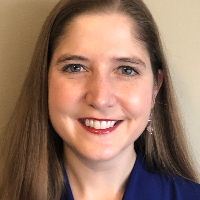
Nebraska · 11 yrs exp
Stress, Anxiety · Relationship · Family · Grief · +13 more
Read profile
Nebraska · 11 yrs exp
Stress, Anxiety · Relationship · Family · Intimacy-related issues · +10 more
Read profile
Nebraska · 15 yrs exp
Stress, Anxiety · Family · Trauma and abuse · Depression · +11 more
Read profile
Nebraska · 19 yrs exp
Stress, Anxiety · Relationship · Anger · Self esteem · +10 more
Read profile
Nebraska · 10 yrs exp
Stress, Anxiety · Relationship · Intimacy-related issues · Self esteem · +13 more
Read profile
Nebraska · 10 yrs exp
Stress, Anxiety · Addictions · Relationship · Family · +14 more
Read profileOnline therapy has grown steadily as an accessible option for people across Nebraska, from Omaha and Lincoln to smaller towns and rural counties. You can connect with licensed clinicians who live in-state or who hold multistate privileges, depending on current licensing rules. Many therapists offer video sessions, phone appointments, or secure messaging to accommodate different schedules and technology access. This means you can choose a clinician whose training and approach align with your needs without being limited by geography. You should keep in mind that availability can vary by practitioner and by the platforms they use, so if you have a particular modality in mind - such as cognitive behavioral therapy, couples therapy, or trauma-informed care - you may need to review multiple profiles to find the best fit.
When you search through listings, you will often see information about a therapist's licensure type, professional background, and areas of focus. These details help you narrow down options quickly. If you live in a rural area, online therapy can expand your choices beyond what is locally offered and may reduce wait times for an initial appointment. If you prefer in-person work later on, many therapists provide a blended approach that starts online and transitions to in-person support when appropriate.
Online therapy offers practical benefits that make it easier for you to prioritize mental health. One major advantage is convenience - you can attend sessions from your home, a parked car during a break, or any quiet location that fits your routine. This reduces travel time and removes barriers like transportation or weather-related challenges. Flexibility in scheduling means you can often find appointments outside standard office hours, which helps if you work shifts or manage family responsibilities.
Another benefit is access to specialized care. If you are seeking a therapist with expertise in specific concerns - for example grief, addiction recovery, perinatal mental health, or cultural competence - online options broaden the pool of clinicians who may be the right match. For people juggling multiple commitments or those who prefer to meet from a familiar setting, online sessions can feel less intimidating and more comfortable, supporting better engagement in the therapeutic process. You should also find that many therapists discuss practical matters like session length, technology requirements, fees, and payment options upfront so you can make an informed decision.
Therapists who work with Nebraska residents cover a wide range of concerns. Anxiety and depression are among the most commonly addressed issues, but therapists also support individuals facing relationship challenges, parenting or family stress, workplace concerns, bereavement, and life transitions such as career changes or relocation. Therapists trained in trauma work provide approaches for processing past events and building coping skills. Couples therapists help partners improve communication, rebuild trust, or navigate major decisions together. Many clinicians also assist with substance use concerns and with developing healthier daily routines and self-care practices.
Beyond symptom-focused work, you can find therapists who specialize in identity-based care, including support for LGBTQ+ individuals, faith-sensitive counseling, or culturally grounded approaches that respect regional and community values. If you have specific needs, look for descriptions of therapeutic orientation, years of experience, and training in particular interventions. These details help you understand how a therapist is likely to work with you and whether their methods match your goals.
Verifying a therapist's license is an important part of choosing care. You can start by looking for license credentials on the therapist's profile, such as LPC, LCSW, LMFT, or PsyD, and noting any license number that is provided. If a license number is not listed, you can ask the therapist directly for it. Once you have that information, you should check the state licensing board or the appropriate Nebraska regulatory website to confirm the license status. These official sites typically allow you to search by name or license number and will show whether the license is active, when it was issued, and if any disciplinary actions are recorded.
If you are unsure which agency oversees a specific type of credential, ask the therapist what board issued their license and how you can verify it. You can also call the state licensing office for guidance on searching records. Verifying licensure gives you clarity about the clinician’s training and whether they meet state requirements for practice. In addition to license checks, you may review professional memberships, certifications, and any stated specialties. Combining these sources of information helps you make a well-informed choice about who you want to work with.
Beginning online therapy is a straightforward process when you know what to look for. First, identify a few therapists whose profiles highlight relevant experience and a style that appeals to you. Reach out through the contact options listed to inquire about availability, fees, and whether they offer an initial consultation. Many therapists provide a brief phone or video call at no charge so you can assess rapport and logistical fit. During this initial contact, ask about session length, how they handle appointments and cancellations, and what technology they use for video visits.
Before your first full session, prepare by checking your internet connection, choosing a quiet space where you will not be interrupted, and testing audio and camera settings. Have a list of goals or topics you want to cover and be ready to discuss your history and current concerns. Provide your therapist with information about any medications or previous therapy experiences if relevant. Clarify questions about cost, insurance coverage, and payment methods so there are no surprises. If you have urgent safety concerns, ask the therapist about their emergency procedures and local resources they recommend for immediate help.
Choosing the right therapist is a personal decision that balances credentials, therapeutic style, and how comfortable you feel with that person. Start by prioritizing what matters most to you - for example clinical experience with your concern, demographic or cultural understanding, or a particular therapeutic approach. Read profiles carefully and look for indications of how the therapist engages with clients, such as a focus on collaborative goal setting or skills-based work. When you contact a therapist, notice how they respond to your questions and whether they provide clear information about what to expect from sessions.
It is normal to try more than one therapist before finding the right match. If after several sessions you feel the fit is not right, tell your therapist and consider requesting a referral. Trust your instincts about comfort and safety in the therapeutic relationship. You should also pay attention to practical matters like the therapist's availability, session length, fee structure, and whether they accept your insurance or offer sliding scale options. By combining thoughtful research with an openness to communicate your needs, you increase the likelihood of finding a clinician who helps you move toward your goals.
As you explore online therapy options in Nebraska, remember that the process is about finding a partner in your mental health journey who respects your pace and priorities. Take advantage of profile information, initial consultations, and direct questions to build a clear picture of how a therapist works. Whether you are seeking short-term support for a specific challenge or longer-term therapy for deeper personal growth, online options can offer access, convenience, and a way to connect with professionals whose experience aligns with your needs. Start small, ask the questions that matter to you, and book a first session when you are ready to begin.