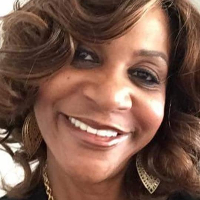
Celeste Bozeman
LPCC· Accepting clientsOhio · 18 yrs exp
Stress, Anxiety · Trauma and abuse · Grief · Anger · +11 more
Read profileThe therapist listings are provided by BetterHelp and we will earn a commission if you use our link - at no cost to you.
Welcome to TherapistDirectory's listings for online therapists serving Ohio. All therapists shown are licensed to practice in Ohio - explore profiles to find a clinician whose approach fits your needs.
Ohio · 18 yrs exp
Stress, Anxiety · Trauma and abuse · Grief · Anger · +11 more
Read profile
Ohio · 33 yrs exp
Stress, Anxiety · Family · Trauma and abuse · Self esteem · +12 more
Read profile
Ohio · 17 yrs exp
Stress, Anxiety · Family · Parenting · Depression · +12 more
Read profile
Ohio · 12 yrs exp
Stress, Anxiety · Depression · Coping with life changes · Addictions · +10 more
Read profile
Ohio · 29 yrs exp
Stress, Anxiety · Trauma and abuse · Self esteem · ADHD · +9 more
Read profile
Ohio · 27 yrs exp
Stress, Anxiety · Addictions · Relationship · Family · +10 more
Read profile
Ohio · 25 yrs exp
Stress, Anxiety · Relationship · Family · Trauma and abuse · +16 more
Read profile
Ohio · 15 yrs exp
Trauma and abuse · Grief · Self esteem · Coping with life changes
Read profile
Ohio · 12 yrs exp
Addictions · Relationship · Family · Intimacy-related issues · +12 more
Read profile
Ohio · 17 yrs exp
Stress, Anxiety · Trauma and abuse · Grief · Anger · +8 more
Read profile
Ohio · 12 yrs exp
Addictions · Relationship · Self esteem · Stress, Anxiety · +11 more
Read profile
Ohio · 20 yrs exp
Grief · Self esteem · Stress, Anxiety · Relationship · +6 more
Read profile
Ohio · 13 yrs exp
Stress, Anxiety · Depression · Coping with life changes · Addictions · +8 more
Read profile
Ohio · 3 yrs exp
Stress, Anxiety · Relationship · Family · Self esteem · +11 more
Read profile
Ohio · 25 yrs exp
Stress, Anxiety · Relationship · Self esteem · Depression · +4 more
Read profile
Ohio · 33 yrs exp
Stress, Anxiety · LGBT · Family · Trauma and abuse · +15 more
Read profile
Ohio · 20 yrs exp
Stress, Anxiety · Grief · Self esteem · Depression · +1 more
Read profile
Ohio · 16 yrs exp
Stress, Anxiety · Addictions · Relationship · Grief · +11 more
Read profile
Ohio · 21 yrs exp
Stress, Anxiety · Addictions · Relationship · Trauma and abuse · +9 more
Read profile
Ohio · 30 yrs exp
Stress, Anxiety · Grief · Depression · Coping with life changes · +12 more
Read profile
Ohio · 17 yrs exp
Stress, Anxiety · Family · Grief · Depression · +6 more
Read profile
Ohio · 6 yrs exp
Grief · Stress, Anxiety · Relationship · Family · +1 more
Read profile
Ohio · 19 yrs exp
Stress, Anxiety · Addictions · Family · Depression · +15 more
Read profile
Ohio · 26 yrs exp
Stress, Anxiety · Grief · Depression · Trauma and abuse · +1 more
Read profileOnline therapy has become a widely available option for residents across Ohio, offering access to mental health care without the need to travel. Whether you live in a larger city like Columbus, Cleveland, or Cincinnati, or in suburban and rural communities, you can find clinicians who provide video, phone, or text-based sessions. Many licensed professionals now integrate remote care into their practices to reach people who face scheduling challenges, mobility limits, or geographic barriers. State regulation determines where and how therapists may practice remotely, and Ohio requires clinicians to meet licensing requirements and practice within the board rules that apply to their profession. You will find a mix of psychologists, licensed counselors, social workers, and marriage and family therapists who offer online appointments tailored to different formats and levels of frequency. As you explore options, keep in mind that the technical format - video, phone, or messaging - can shape how you and your therapist communicate but does not change the fundamental goals of therapy: to address your concerns, build coping strategies, and support meaningful change in daily life.
Online therapy can make professional support more accessible and flexible. You can schedule sessions around work, childcare, or school commitments and reduce the time spent commuting to an office. For people in rural parts of Ohio, where specialty clinicians may be less common, virtual care opens up choices you might not otherwise have. Online sessions allow you to meet with a therapist who has expertise in a particular treatment approach, a specific population, or a certain issue, even if that clinician is based in a different city. Many people also find that remote therapy helps them feel more comfortable sharing sensitive concerns from a familiar environment, and it can be easier to maintain continuity of care if you move within the state. Additionally, online options often include flexible length sessions and different communication modes, making it practical to match care to your needs. While online therapy is convenient, you should consider how technology, internet reliability, and your personal preference for in-person interaction might influence your experience. If you have limited bandwidth or prefer face-to-face contact, some clinicians offer hybrid models that combine occasional in-person meetings with ongoing online sessions.
Online therapists in Ohio address a broad range of concerns and life challenges. Many clinicians focus on mood-related issues such as anxiety and depression, offering evidence-based approaches to help you manage symptoms and increase daily functioning. Relationship and family difficulties are commonly addressed through couples therapy or family-focused interventions that adapt well to virtual formats. Life transitions - like career changes, parenting challenges, retirement, or relocation - are frequent reasons people seek online support, because therapy can help you navigate uncertainty and make intentional choices. Trauma-informed clinicians provide care for people coping with past events, and many therapists offer specialized support for grief and loss. Online therapy can also support people dealing with stress related to school, work, or caregiving responsibilities, and some clinicians provide targeted help for sleep disturbances, chronic illness adjustment, and substance-related concerns. When searching, look for therapists who list the specific issues you want to address and describe the approaches they use, because matching your goals with a clinician's expertise can make your time in therapy more effective. Remember that therapists provide a professional helping relationship rather than medical treatment, and they can work with you to develop coping skills, communication strategies, and practical plans that fit your everyday life.
Verifying a therapist's license helps you confirm that a clinician meets Ohio's professional standards. Start by asking the therapist for their full name and license type, and request a license number if it is readily available. Ohio maintains licensing boards for different professions, including the board that oversees counselors, social workers, and marriage and family therapists, as well as the board for psychologists. You can use the appropriate state licensing board's public verification tool to search by name or license number to confirm that the license is active and in good standing. The verification record typically shows licensure dates, the license status, any discipline or restrictions, and the expiration date. If you have questions about what you find, you can contact the licensing board directly for clarification. It is reasonable to ask a prospective therapist about their education, professional training, and any continuing education related to teletherapy. If you see evidence of disciplinary action on a record, ask the clinician to explain the circumstances so you can make an informed decision. Checking a license is a practical step that can increase transparency and help you feel comfortable moving forward with a therapist.
Beyond license verification, learn about a therapist's areas of specialization and their experience with remote care. Inquire whether they hold additional certifications or training in specific approaches you are interested in, such as cognitive behavioral therapy, trauma-focused work, or couples therapy. Ask about typical session length, fee structure, insurance acceptance, and sliding scale options if affordability is a concern. Many therapists will outline cancellation policies and how they handle missed sessions. If you rely on insurance, confirm eligibility and whether the clinician is an in-network provider for your plan or offers superbills that you can submit for reimbursement. While these details are administrative, they significantly affect your access to care and the sustainability of ongoing treatment.
Beginning online therapy is a practical process that starts with identifying a few clinicians whose profiles match your needs. Reach out to schedule an initial consultation or intake session, which often serves as a way for you and the therapist to assess fit. During your first contact, you can ask about the clinician's approach, experience with your concerns, session logistics, and fees. Before your first full session, check that you have the necessary technology - a device with a camera and a stable internet connection if you'll use video - and a quiet, comfortable environment for the session. Plan how you will handle interruptions and what you will do in an emergency, because remote therapy is not a substitute for urgent medical or crisis services. Many therapists discuss safety planning during intake and ask for a local emergency contact. Prepare a list of goals or topics you want to address, as well as relevant background information such as current medications, previous therapy history, and any major life events that affect you. The first few sessions typically involve assessment and goal setting, and your clinician will work with you to establish a treatment plan that aligns with your priorities.
Choosing the right therapist is a personal decision that hinges on expertise, style, and practical fit. Think about what matters most to you in a therapeutic relationship - whether that is a clinician who uses a structured approach, someone who emphasizes emotional processing, or a therapist with specific cultural or community competence. Read profile descriptions to learn about each clinician's specialties and therapeutic orientation, and pay attention to language about how they work with clients. It is appropriate to ask questions about previous experience with issues like the ones you are facing, and to request a brief introductory call to get a sense of rapport. Consider logistical fit as well - check availability for appointment times, session length, fees, and how the therapist handles scheduling and cancellations. If you have insurance concerns, verify coverage before your first appointment. Trust your instincts during initial conversations; if something does not feel right, it is okay to try a different clinician until you find a good match. Building a productive relationship may take a few sessions, but you should feel heard, respected, and involved in planning your care. Your comfort with a therapist's communication style and the clarity of their treatment plan often predicts whether you will engage fully and benefit from the work.
Online therapy in Ohio offers a flexible route to professional support that you can adapt to your schedule and needs. By verifying credentials, asking practical questions, and prioritizing fit, you can find a licensed clinician who helps you move toward your goals. Use the listings to explore specialties, read clinician statements, and reach out to start a conversation - taking that first step is an important part of finding the right care for you.