
Connie Branham
LMHC· Accepting clientsFlorida · 43 yrs exp
Stress, Anxiety · Relationship · Parenting · Self esteem · +10 more
Read profileThe therapist listings are provided by BetterHelp and we will earn a commission if you use our link - at no cost to you.
Welcome to our directory of online therapists who serve Florida. All therapists listed here are licensed clinicians; explore profiles to find someone who matches your needs and approach.
Florida · 43 yrs exp
Stress, Anxiety · Relationship · Parenting · Self esteem · +10 more
Read profile
Florida · 20 yrs exp
Stress, Anxiety · Addictions · Relationship · Self esteem · +16 more
Read profile
Florida · 32 yrs exp
LGBT · Grief · Self esteem · Coping with life changes · +1 more
Read profile
Florida · 46 yrs exp
Stress, Anxiety · Addictions · LGBT · Relationship · +12 more
Read profile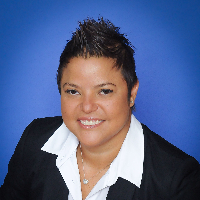
Florida · 21 yrs exp
Stress, Anxiety · Addictions · LGBT · Depression · +9 more
Read profile
Florida · 30 yrs exp
Stress, Anxiety · Addictions · Anger · Self esteem · +13 more
Read profile
Florida · 19 yrs exp
Stress, Anxiety · Trauma and abuse · Self esteem · Depression · +14 more
Read profile
Florida · 9 yrs exp
Stress, Anxiety · Grief · Self esteem · Career · +3 more
Read profile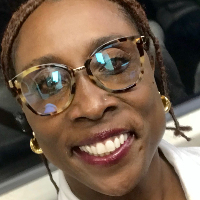
Florida · 26 yrs exp
Stress, Anxiety · Relationship · Anger · Depression · +13 more
Read profile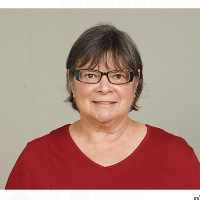
Florida · 11 yrs exp
Stress, Anxiety · Addictions · Relationship · Grief · +6 more
Read profile
Florida · 26 yrs exp
Stress, Anxiety · Addictions · Grief · Self esteem · +12 more
Read profile
Florida · 3 yrs exp
Stress, Anxiety · Addictions · LGBT · Relationship · +12 more
Read profile
Florida · 10 yrs exp
Stress, Anxiety · Addictions · Family · Grief · +8 more
Read profile
Florida · 18 yrs exp
Stress, Anxiety · Relationship · Grief · Depression · +12 more
Read profile
Florida · 15 yrs exp
Stress, Anxiety · Relationship · Trauma and abuse · Sleeping · +11 more
Read profile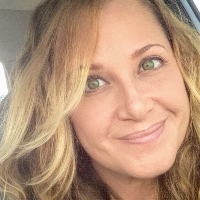
Florida · 21 yrs exp
Stress, Anxiety · Grief · Parenting · Self esteem · +11 more
Read profile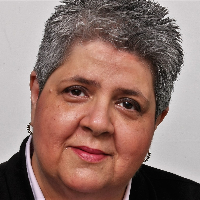
Florida · 25 yrs exp
LGBT · Trauma and abuse · Grief · Bipolar · +16 more
Read profile
Florida · 32 yrs exp
Stress, Anxiety · Addictions · Relationship · Family · +13 more
Read profile
Florida · 22 yrs exp
Relationship · Grief · Parenting · Anger · +15 more
Read profile
Florida · 25 yrs exp
Stress, Anxiety · Addictions · Relationship · Intimacy-related issues · +10 more
Read profile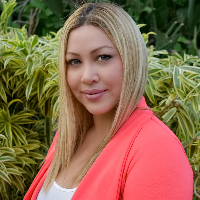
Florida · 12 yrs exp
Stress, Anxiety · Relationship · Self esteem · Depression · +14 more
Read profile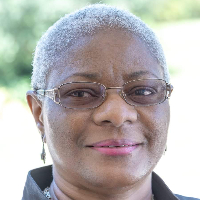
Florida · 19 yrs exp
Stress, Anxiety · Family · Grief · Depression · +12 more
Read profile
Florida · 15 yrs exp
Grief · Self esteem · Coping with life changes · Compassion fatigue · +4 more
Read profile
Florida · 22 yrs exp
Stress, Anxiety · Relationship · Family · Self esteem · +10 more
Read profileOnline therapy has become an established option for people across Florida, offering a flexible way to access professional mental health care without traveling to an office. Providers who offer online sessions to Florida residents are required to hold the appropriate state license to practice with people located in Florida. That means you can expect to find licensed psychologists, clinical social workers, marriage and family therapists, and mental health counselors who provide therapy via video, phone, or messaging. Regulations have evolved to reflect technology-driven care while preserving the expectation that clinicians meet state practice standards. As a result, online therapy is widely available from clinicians who are credentialed to work with adults, adolescents, couples, and families throughout the state.
When you choose online therapy, you benefit from greater geographic reach - you can work with someone who specializes in your needs even if they are based in another city. Many therapists in Florida combine remote options with in-person work, so you may find clinicians who can support you through transitions such as moving across the state or dealing with disruptions caused by weather events. Licensing and professional standards apply whether care is delivered in person or over the internet, and that provides a consistent foundation for professional practice in Florida.
Online therapy offers practical advantages that resonate for many Floridians. You can schedule sessions around work, school, and family responsibilities without factoring in commute time. That convenience can make it easier to maintain regular appointments, which is an important part of progress. If you live in a rural area or a community with fewer local mental health providers, remote sessions expand your options and make it possible to find a therapist who fits your cultural background, language preference, or clinical focus. For caregivers, parents, or people with mobility challenges, meeting from home or another comfortable environment can remove logistical barriers and make it simpler to attend appointments consistently.
Flexibility is another benefit. Online therapy makes it easier to keep continuity of care when your life changes - if you move to a different Florida county, travel for work, or have an unpredictable schedule, many clinicians can maintain regular contact. Some therapists offer shorter check-in sessions or varied formats that let you adapt the way you engage with care. You should also consider the practical advantages of scheduling outside typical business hours, which can be particularly helpful if you work evenings or take classes during the day.
Online therapists in Florida address a wide range of concerns. Many people seek help for anxiety and depression, including stress related to work, relationships, parenting, or major life transitions. Therapists also frequently support people coping with grief, adjustment after loss, and the emotional impacts of chronic medical conditions. Relationship issues and communication challenges are common reasons couples and individuals pursue therapy, and clinicians offer approaches that help with conflict resolution, rebuilding trust, and navigating blended family dynamics.
Specialized areas of care are widely available as well. You can find therapists who focus on trauma-informed work, substance use concerns, eating-related issues, and mood regulation strategies. Therapists may use evidence-informed approaches such as cognitive behavioral techniques, dialectical behavioral strategies, trauma-focused modalities, or emotion-focused work to address different concerns. If you are a member of the LGBTQ+ community, an immigrant, or part of a cultural group with specific needs, there are clinicians who bring relevant cultural competence and lived experience to their practice. Keep in mind that working with youth often involves parental consent and coordination with schools or pediatric providers when appropriate.
Before you begin sessions, it is wise to confirm that a therapist holds an active Florida license and has no unresolved disciplinary actions. You can ask the therapist for their license number and then verify it through the state licensing board website or the official license lookup tool maintained by state agencies. When you search, look for the provider's license status, the license type, the expiration date, and any public actions or restrictions. Those listings will also show whether the therapist is authorized to provide independent services or is practicing under supervision, which can be important depending on your needs.
Besides license verification, review a therapist's professional background, training, and areas of specialization. Many therapists include educational history, certifications, and summaries of their clinical approach on their profile. If you have questions about specific modalities or experience with a particular issue, ask the clinician directly during an initial call. You can also inquire about whether they accept insurance, participate in managed care panels, or offer a sliding fee scale. Confirming these practical details upfront helps you avoid surprises and ensures the clinician's qualifications and logistics align with your expectations.
Begin by clarifying what you want from therapy - whether you are looking for short-term coping strategies, support through a life change, couples therapy, or longer-term work on deeper issues. Use search filters to narrow therapists by specialty, treatment approaches, availability, and whether they accept your insurance. When you find profiles that seem promising, reach out to request an initial consultation. Many therapists offer a brief introductory call to discuss goals, logistics, fees, and how they structure sessions. That call is an opportunity to assess rapport, ask about experience with concerns like yours, and confirm technical details such as the platform they use for sessions and any privacy protections they have in place.
When you are evaluating fit, pay attention to how the therapist explains their approach and how comfortable you feel communicating with them. It is normal for the first few sessions to be exploratory; you and the clinician will typically agree on goals and a plan for treatment. Think about practical matters too - session length, cancellation policy, and availability for crisis or urgent needs. If a therapist does not seem like the right match, it is acceptable to try another clinician until you find someone whose style and expertise align with what you need. Building a therapeutic relationship is a collaborative process, and finding the right fit can make a meaningful difference in your progress.
Choosing an online therapist in Florida means balancing professional credentials, therapeutic approach, and practical logistics. By verifying licensure, clarifying your goals, and using introductory conversations to assess fit, you can find a clinician who supports your mental health journey. Take your time exploring profiles, ask questions that matter to you, and prioritize consistency in care - regular sessions with a skilled therapist are often the best route to meaningful change.